
The "Golden Material" for EV Cables:
PEEK 5601G01/5601G02
Empowering the Era of High-Voltage Fast Charging. Effectively resolving core pain points such as corona erosion and high-temperature insulation failure on 800V platforms, while enabling lightweight and highly reliable motor wire harnesses.
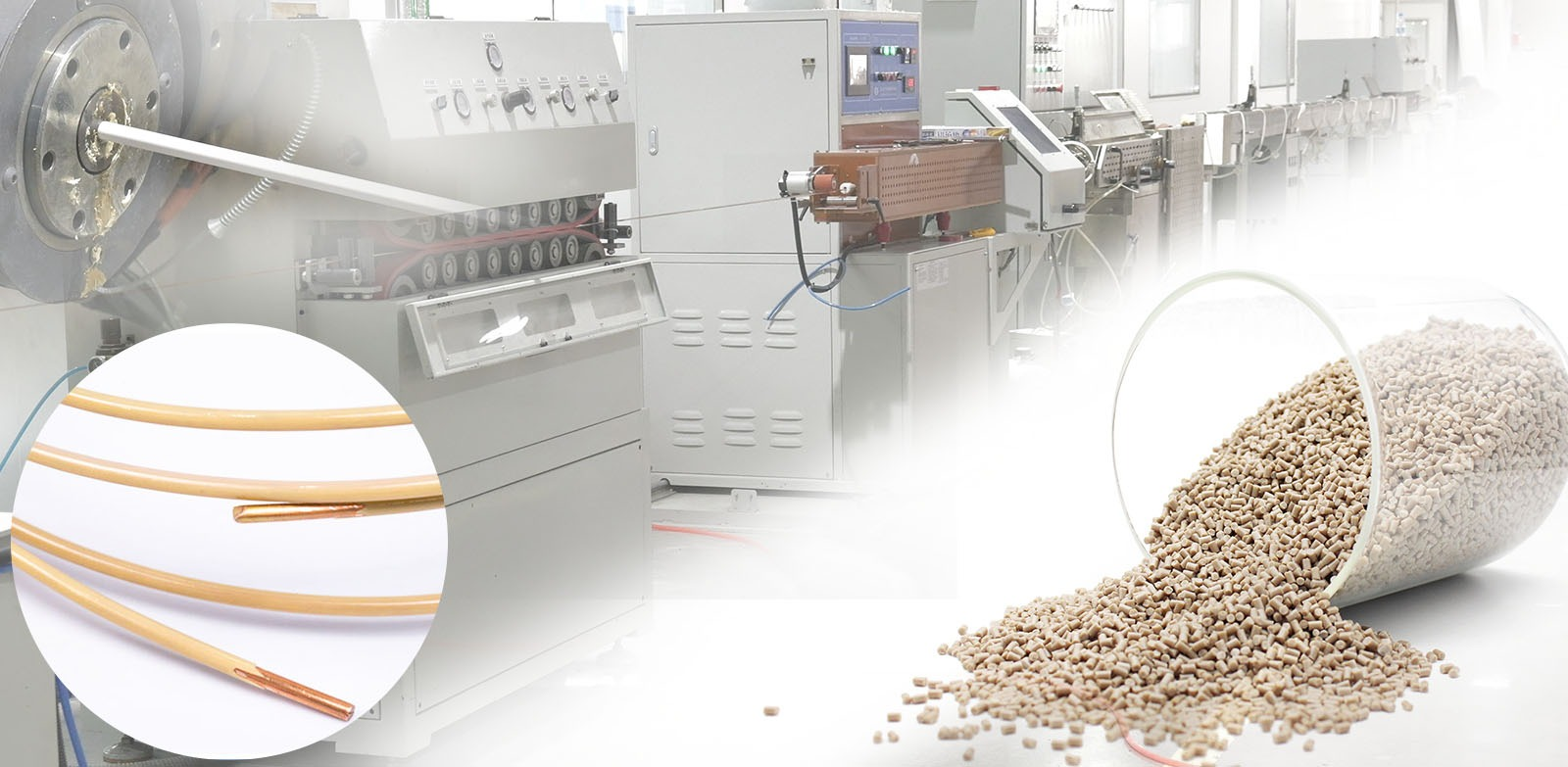
In the Era of High-Voltage Fast Charging, is Your Insulation System Ready?
With the popularization of 800V and even 1000V architectures, motors and wire harnesses are facing stronger electric field stress and more stringent corona resistance requirements. Traditional materials are prone to softening, degradation, or cracking in extreme environments, making PEEK the only definitive solution.
PEEK Material: The Natural "King", Defining New Heights in Insulation
Outstanding High-Temperature Resistance
Continuous use at 260℃, with instantaneous peaks up to 300℃. Does not soften or degrade in the high-temperature environment inside the motor.
Ultimate Electrical Performance
Single-layer extrusion process provides a thinner, more uniform insulation layer, perfectly meeting 800V electric field stress challenges.
Ultra-High Mechanical Strength
Wear-resistant and bend-resistant; maintains structural integrity of the insulation even under high-frequency vibration conditions of the motor.
Excellent Chemical Resistance
High tolerance to oils, coolants, and salt spray, adapting to extremely complex operating environments.
Lightweight Advantage
Density is much lower than metal, significantly reducing the weight of the insulation layer and effectively extending the range of NEVs.
Eco-Friendly Low-Carbon Manufacturing
Low-energy processing with fully recyclable waste, complying with green sustainability requirements.
PEEK 5601G01/5601G02
The "Golden Partners" Specially Crafted for Automotive Cables
-
Excellent Extrusion Processability
Superior melt fluidity enables single-layer extrusion in one pass, ensuring extremely high concentricity of the insulation layer.
-
Powerful Conductor Adhesion
Optimized with a special formula to perfectly solve the adhesion challenge between PEEK and copper, ensuring no peeling or detachment.
-
Fatigue and Bend Resistance
Resistant to cracking during the bending process of hairpin motor assembly, providing long-term protection for motor windings.
Core Competitive Advantages
PEEK Wire/Cable Extrusion Process and Equipment
Extrusion equipment is categorized into standard round wire systems and profiled wire systems, with the latter requiring significantly higher precision.
>>> PEEK Material Drying Process
PEEK raw material has a very low moisture content, typically around 5‰. The pre-treatment process is as follows: Use a desiccant dryer at 150°C for approximately 5 hours. Perform a moisture test with a 10g sample; the moisture content must be less than 0.1% before starting production.
>>> PEEK Extrusion Techniques
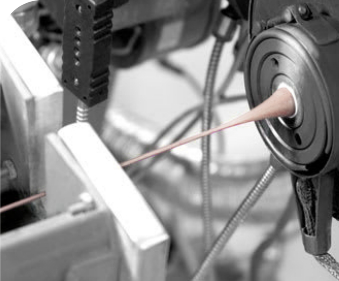
Extrusion methods are divided into two types: Tubing Extrusion and Pressure Extrusion.

Tubing Extrusion
The plastic forms a tube shape through the die before encapsulation, then is drawn down to coat the wire or cable core through tension.

Pressure Extrusion
The plastic is directly extruded onto the wire or cable core through the pressure applied within the die.
Process Comparison: Tubing vs. Pressure Extrusion
| Key Dimensions | Tubing Extrusion | Pressure Extrusion |
|---|---|---|
| Core Principle | The plastic forms a tube through the die and is drawn down onto the wire/cable core via tension. | The plastic is directly pressed and encapsulated onto the wire/cable core by high pressure within the die. |
| Production Efficiency | High: Fully utilizes plastic drawability; high linear speed and extrusion output. | Low: High back-pressure at the die orifice results in lower extrusion output. |
| Encapsulation Structure | • Lower density/compactness • Slightly looser bonding with the core • Potential "pitch marks" on the surface |
Excellent: • Highly dense and solid structure • Seamless bonding with the core • Reliable insulation strength |
| Product Appearance | Flat surface, but may show traces of the underlying core stranding. | Excellent: Very smooth, flat, and exceptionally round outer surface. |
| Concentricity Control | Excellent: Easy to adjust, uniform thickness, unaffected by core bending. | Poor: Difficult to adjust; prone to severe eccentricity if the core is bent. |
| Mechanical Performance | Excellent: High mechanical strength and flexibility due to "molecular orientation" from stretching; high crack resistance. | Poor: Inferior bending performance of the extruded wire core. |
| Die Life | Long: Large die clearance results in minimal wear and longer service life. | Short: High precision dependency leads to faster die wear. |
| Operation & Cost | Superior: Simple die configuration, high versatility, and material savings. | High Requirements: Requires extremely precise die matching and high dependency on specific tooling. |
| Application Scenarios |
Most Insulation Layers, especially for: • High-efficiency production • Profiled cores (Sector, Tile-shaped) • Applications requiring high flexibility |
Specific Scenarios: • Small cross-section cores • Requirements for ultra-tight bonding and perfect roundness • Polymers with very low draw ratios |
Technical Data Sheet (TDS)
Typical Properties of JUNHUA® PEEK 5601 Series
| Test Items | Standard | Unit | Typical Value |
|---|---|---|---|
| Mechanical Properties | |||
| Tensile Strength | ISO 527-2 | MPa | 95 |
| Tensile Modulus | ISO 527-1 | GPa | 3.6 |
| Tensile Strain at Break | ISO 527-2 | % | 30 |
| Flexural Strength | ISO 178 | MPa | 150 |
| Notched Izod Impact Strength | ISO 180/A | kJ/m² | 6.5 |
| Thermal Properties | |||
| Melting Point | DSC | ℃ | 343 |
| Heat Deflection Temp (HDT 1.8MPa) | ISO 75-2 | ℃ | 152 |
| Continuous Use Temperature (CUT) | UL 746B | ℃ | 260 |
| Flammability Rating (1.6mm) | UL 94 | - | V-0 |
| Electrical Properties | |||
| Dielectric Strength (2.0mm) | IEC 60243-1 | kV/mm | 23 |
| Dielectric Constant (1kHz) | IEC 60250 | - | 3.2 |
| Dissipation Factor (1MHz) | IEC 60250 | - | 0.003 |
Typical Processing Information
Notes:
1. The typical values above are based on injection molding specifications. For extrusion process parameters, please consult our technical team.
2. These performance indicators should not be used as final acceptance standards.
Our Services for PEEK Wire & Cable
We are committed to being your trusted strategic partner for PEEK cable solutions. This means more than just providing raw materials and sampling; it signifies our dedication to providing ongoing technical support and production optimization throughout the project lifecycle—tackling challenges together, driving innovation, and ensuring your products stay one step ahead.
Requirement Analysis & Consultation
Identifying customer technical pain points through precise inquiry and professional listening to recommend the most suitable raw materials.
Technical Value Presentation
Providing value-added support by tailoring optimization plans for efficiency, cost, and risk control based on your equipment and molding processes.
Long-term Partnership Guarantee
As strategic partners, we offer year-round technical services and testing, regular follow-ups, and assistance in optimizing production parameters to maximize profitability.
One-stop Sampling Service
Equipped with two advanced cable production lines and integrated visual inspection systems, we provide customers with convenient, one-stop sampling services.
Our Testing Capabilities for PEEK Wire & Cable
Our professional testing and analysis center is equipped with a comprehensive suite of instruments. We provide customers with full-spectrum testing—from raw material analysis to physical and electrical performance metrics. Small-batch cable sampling is also available.
Electrical & Performance Testing
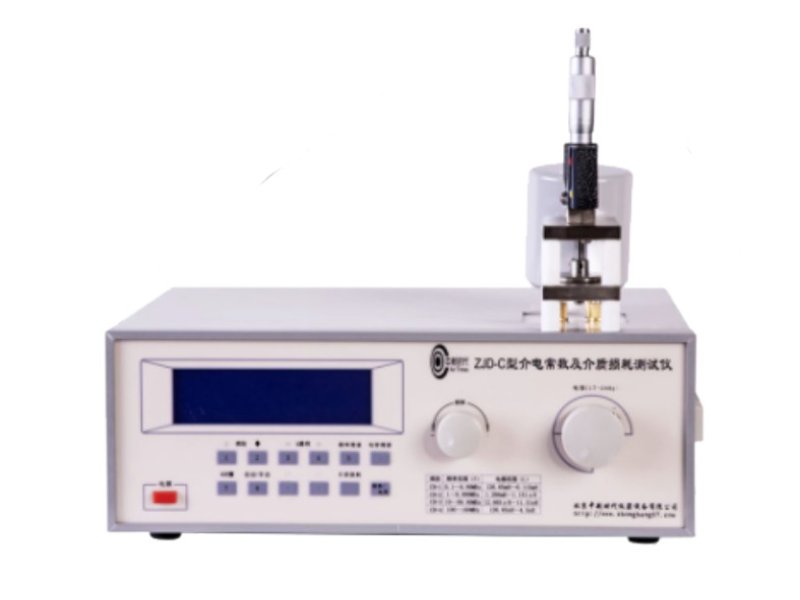
Dielectric Constant Testing
Accurately measures the relative capacity of materials to store charge at specific frequencies and temperatures, providing critical data for high-frequency circuit design.
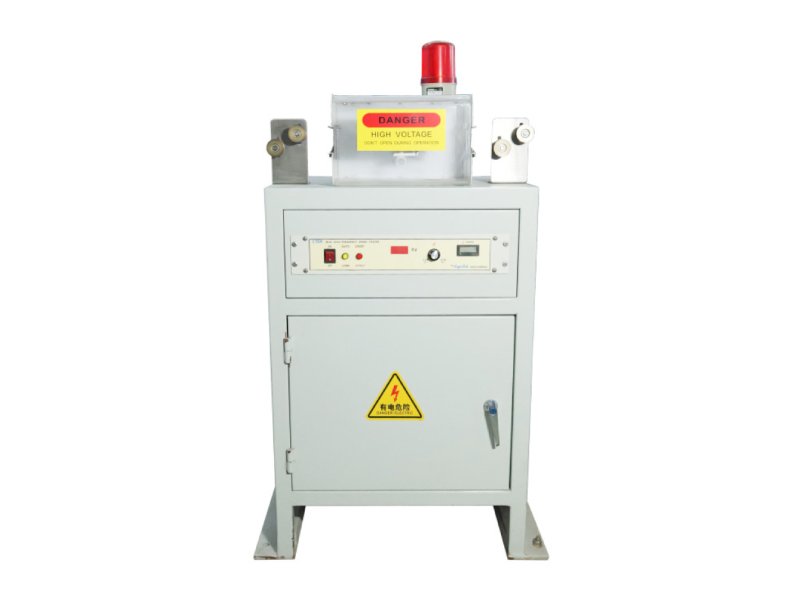
Online Dielectric Testing
Utilizes high-frequency spark testers to ensure insulation integrity and safety standards by simulating high-voltage conditions during production.
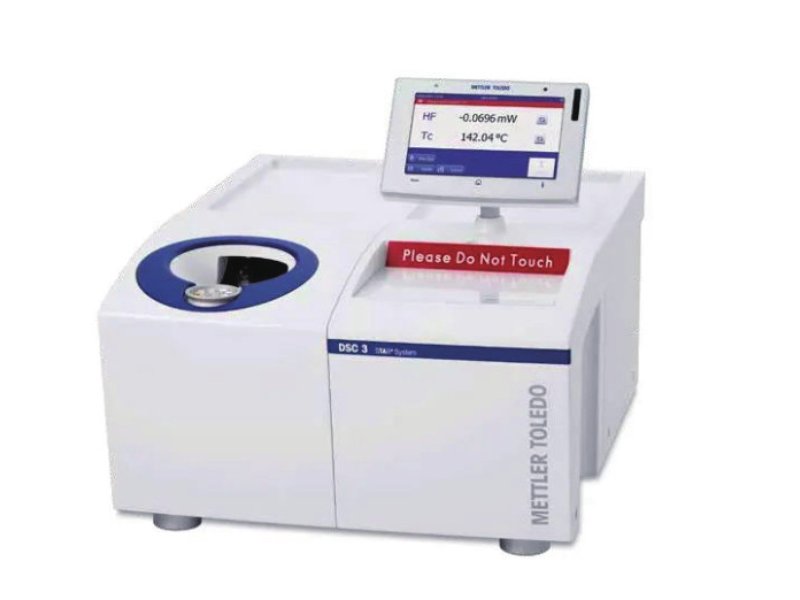
DSC (Differential Scanning Calorimetry)
Analyzes energy differences and thermal transitions of materials under controlled temperatures to determine melting points and crystallinity.
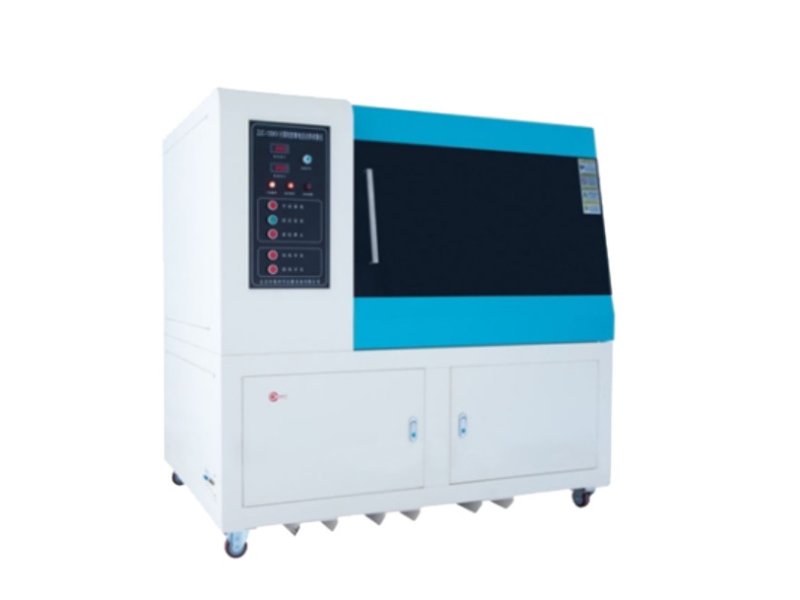
Dielectric Strength Testing
Determines the maximum voltage gradient an insulating material can withstand before breakdown, a core index for assessing insulation safety.
Material Analysis Equipment
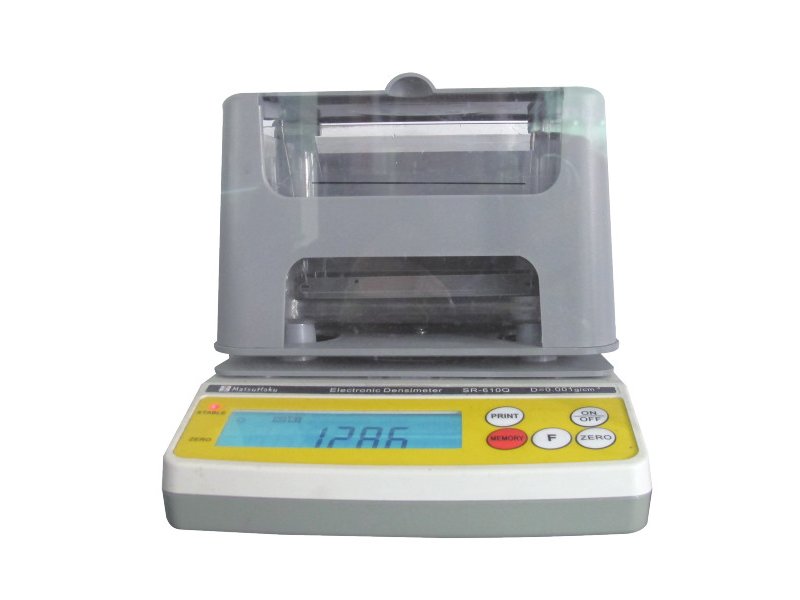
Density Meter
Used for verifying the actual density of the final product.
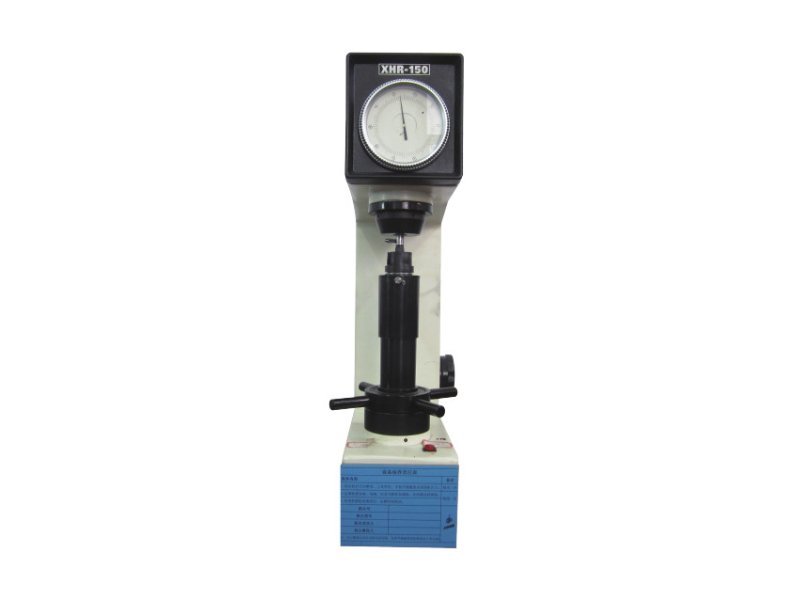
Rockwell Hardness Tester
Evaluates the Rockwell hardness of the materials.
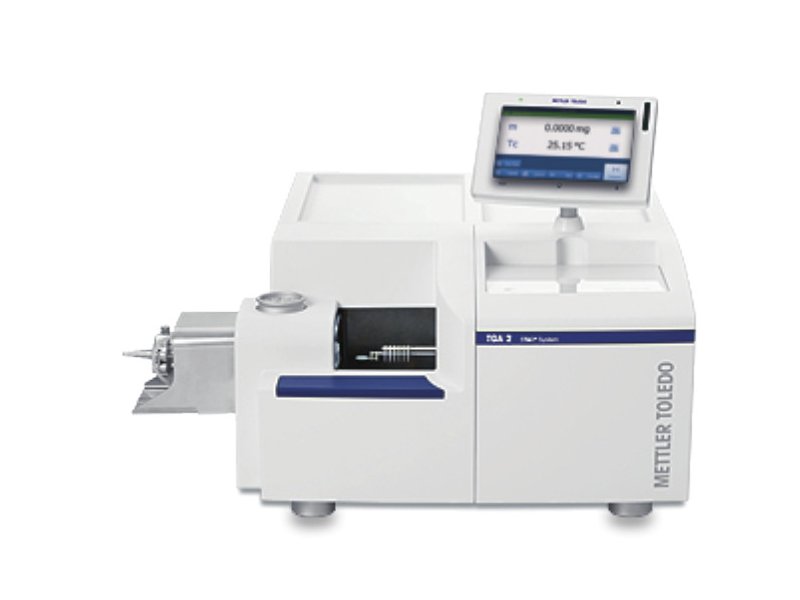
TGA (Thermogravimetric Analysis)
Measures weight changes relative to temperature to analyze thermal stability.
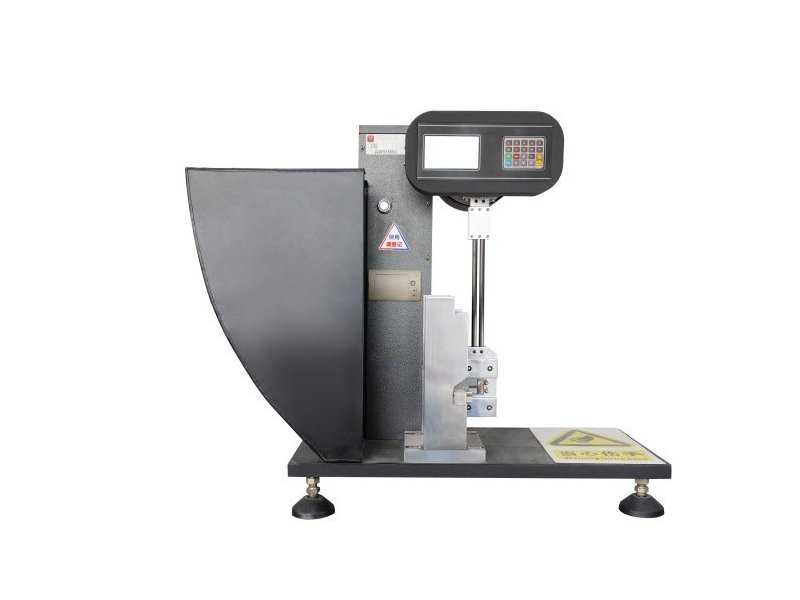
Charpy Impact Tester
Measures total energy absorption under impact to ensure component toughness.
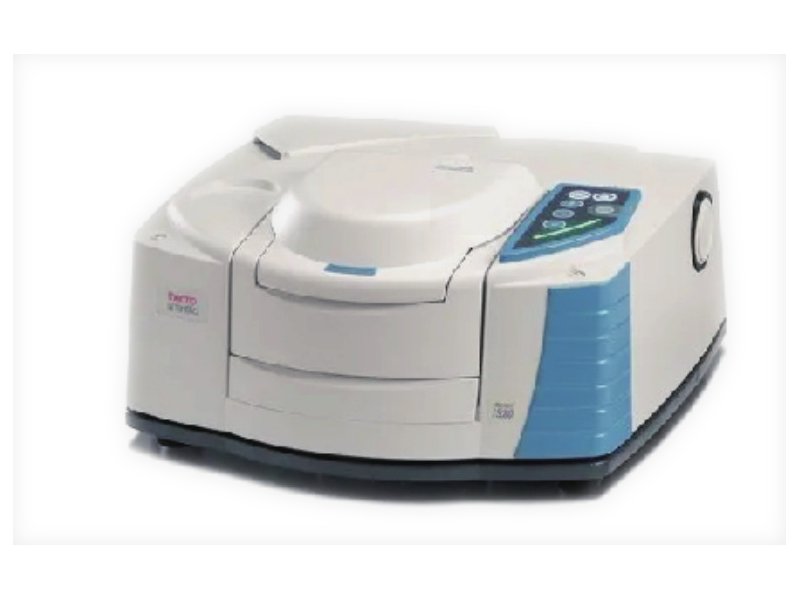
FTIR Spectrometer
Identifies material groups to differentiate between PEEK, PPS, PPSU, and PI structures.
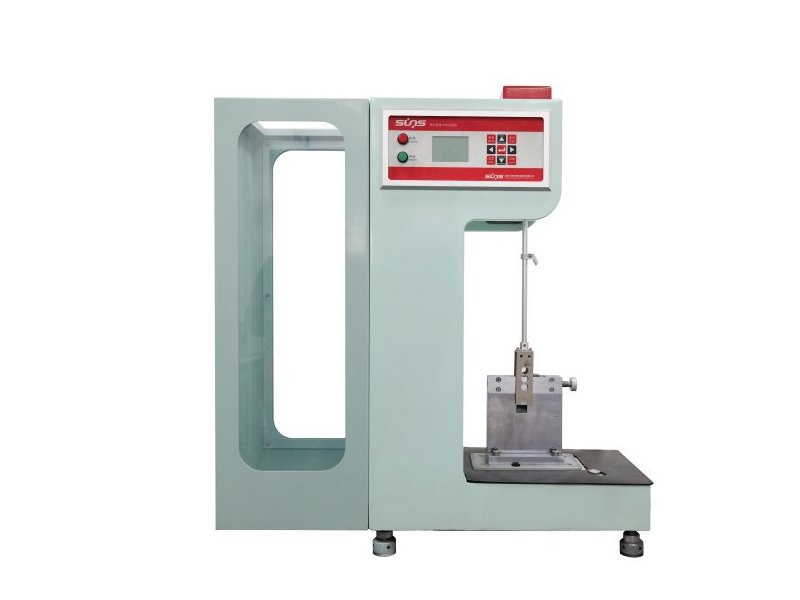
Izod Impact Tester
Evaluates impact resistance of notched materials to prevent brittle failure.
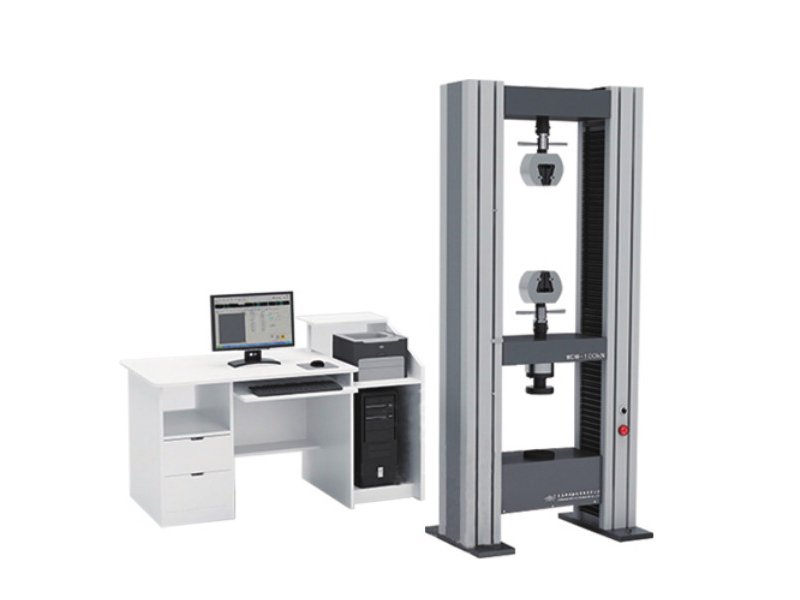
Universal Testing Machine
Testing conventional mechanical properties including tensile strength, bending, and modulus.
Why PEEK 5601G01/5601G02 Series is Your Smart Choice?
Robust Reliability in the 800V High-Voltage Era
Traditional materials are prone to cracking at bend points. Our series leverages superior corona resistance to completely eliminate the risk of insulation failure.
Lower Total Cost of Ownership
One-step extrusion significantly increases yield rates. While initial material costs may be higher, the enhanced manufacturing efficiency and extended lifespan deliver better lifecycle value.
Lightweighting for Enhanced Range
A thinner insulation layer provides stronger protection, helping New Energy Vehicles (NEVs) reduce overall weight and improve core competitive advantage.
Compliance and Sustainability
Compliant with strict global environmental regulations, serving as your "passport" to enter international supply chains (such as the European and American markets).